A reliable assessment of How to flight disruption starts with the complete itinerary, scheduled and actual times, notice received, operating carrier and the explanation given for the disruption.
This guide sets out the practical claim path, the evidence normally needed and the legal questions to separate before choosing the next route.
Current position: the existing EU261 framework remains the rule used for present-day eligibility checks. Standard EU compensation bands remain €250, €400 and €600, subject to route, final-arrival impact, exclusions and possible reductions after rerouting.
Upcoming EU reform: revised rules were finally approved in July 2026, but they do not apply immediately. They enter into force 12 months and 20 days after publication in the Official Journal. Until that effective date is known and reached, this site treats the existing rules as current law.
The airline, not the airport, normally handles the flight claim
Airport information helps prove what happened, but compensation and rerouting requests are generally directed to the operating carrier. Identify the airline that actually operated the disrupted flight.
Record airport-specific disruption evidence
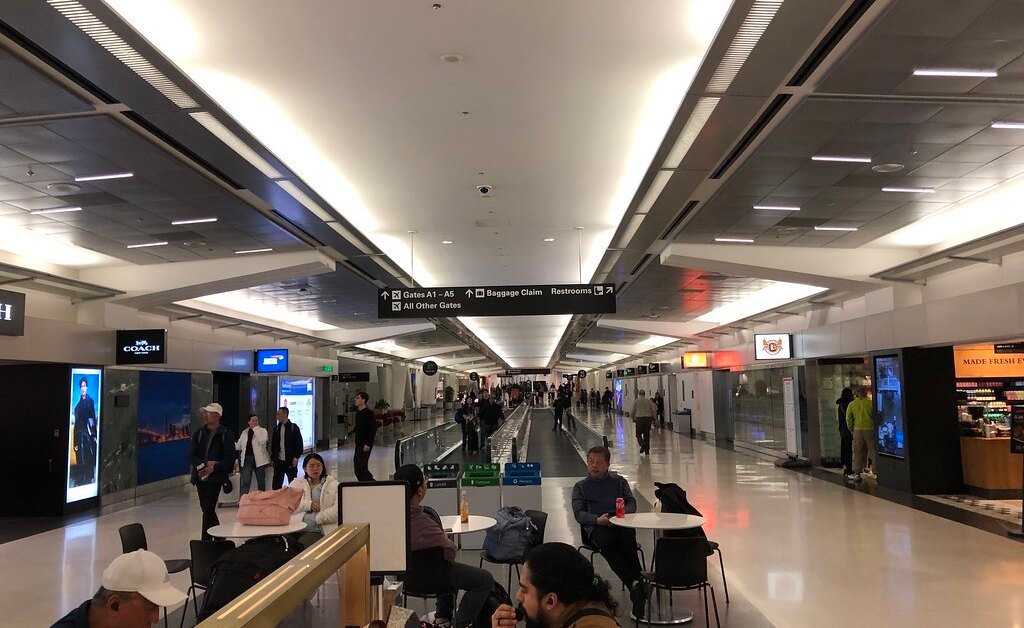
Keep departure-board screenshots, gate changes, public announcements, queue information and any airport notices available during the disruption at How to.
Check If You May QualifySecurity queues and missed flights need a separate analysis
A passenger who misses a flight because of security or check-in queues may not have the same claim as a passenger whose operating flight was delayed or cancelled. Record arrival at the airport and all queue evidence.
Airport changes and ground transport
Where rerouting uses another airport, record whether transport to the original airport or destination was offered and retain reasonable ground-transport receipts.
Current compensation frameworks
| Flight category | Standard EU amount |
|---|---|
| 1,500 km or less | €250 |
| Intra-EU over 1,500 km, and other flights from 1,500 to 3,500 km | €400 |
| Other flights over 3,500 km | €600 |
These are standard bands, not automatic payments. Final-arrival delay, cancellation notice, rerouting, the operating carrier, route coverage and extraordinary circumstances can change the result. In some rerouting scenarios the amount can be reduced by 50%.
| UK261 flight category | Standard amount |
|---|---|
| Under 1,500 km | £220 |
| 1,500 to 3,500 km | £350 |
| Over 3,500 km and arrival 3–4 hours late | £260 |
| Over 3,500 km and arrival more than 4 hours late | £520 |
UK261 coverage depends on the route and operating carrier. A British airline name on the booking does not by itself answer every jurisdiction question, especially where a journey involves multiple carriers or an EU departure.
Match every fact to a claim question
Do not begin with a demand for the maximum amount. First identify route coverage, operating carrier, disruption type, notice, final-arrival impact and cause. Place the evidence beside the question it proves so that a reviewer can follow the logic without reconstructing the booking from scattered attachments.
Prepare a concise chronology
Use one timeline showing the original schedule, first notice, airport events, replacement travel and final arrival. Quote the exact wording used by How to and attach the message rather than paraphrasing it. Where times conflict, explain which source each time came from.
Submit separate remedies clearly
A fixed-compensation request should not hide a refund or expense request inside one unexplained total. Label compensation, ticket reimbursement, rerouting cost and care expenses separately. This makes it easier to challenge a partial response and reduces the risk that one approved item is treated as settlement of everything.
Analyse a rejection before escalating
Classify the rejection: no coverage, insufficient arrival delay, timely cancellation notice, extraordinary circumstances, wrong carrier, missing evidence or expired time limit. The next submission should answer that reason with relevant facts rather than repeat the original wording.
Choose an escalation route deliberately
ADR, national enforcement, court and commercial claims services do not perform the same function. Check jurisdiction, powers, deadline, fee model, evidence requirements and whether the route can issue a binding outcome. Keep the carrier’s final response because many escalation processes ask for it.
Protect personal and financial information
Use only the airline’s verified portal or an approved secure service. Review authority-to-act terms, percentage fees, VAT, cancellation rights and court-cost provisions before sending identity documents. A preliminary eligibility page should not be treated as a secure document-upload channel.
Practical scenarios
The following examples show how the same headline disruption can lead to different claim paths. They are illustrations, not automatic results.
Arrival more than three hours late
For a covered delayed flight, final-destination arrival is central. Route, operating carrier and cause still have to be checked before selecting a compensation band.
Cancellation with replacement travel
Compare the notice date and the replacement departure and arrival with the original itinerary. The right to rerouting or reimbursement is distinct from the fixed-compensation test.
Extraordinary event but no care provided
Even where an external event removes fixed compensation, meals, accommodation and rerouting may remain relevant. Keep reasonable itemised receipts if required assistance was not supplied.
Build a reliable evidence timeline
Create one chronology from booking to final arrival. Record the original schedule, when the first change was communicated, each revised departure estimate, boarding or offloading events, replacement travel and the time the journey actually ended. A clear timeline is more useful than a folder of unexplained screenshots.
Booking and operating-carrier evidence
Keep the e-ticket, booking reference, passenger names and every segment. Where a codeshare is involved, identify the airline that operated the aircraft. For a connection, show whether all segments were issued on one reservation or were purchased separately.
Disruption and notice evidence
Save messages from How to, airport notifications and app screenshots with visible dates and times. For cancellation, the notice timestamp can be decisive. For delay, the final-arrival record is usually more important than the first departure estimate.
Cause and response evidence
Record the exact reason given, who gave it and when. Ask what alternative aircraft, crew, route or transport was considered. If the explanation later changes, preserve both versions rather than replacing the older screenshot.
Expenses and assistance
Request care from the carrier before buying replacement services where reasonably possible. Keep itemised receipts, explain why each expense was necessary and avoid unrelated or luxury spending. A card statement alone may not show what was purchased.
Final-destination proof
For a through journey, record the actual arrival at the destination shown on the booking. Replacement boarding passes, baggage records, hotel receipts and timestamped messages can help reconstruct a missed connection and later arrival.
Compare the available remedies
Label each request correctly before submission. A strong claim package can still fail if fixed compensation, ticket value and expenses are mixed together without explanation.
| Remedy | What it addresses | Evidence to keep |
|---|---|---|
| Fixed compensation | Qualifying delay, cancellation or denied boarding under the applicable regime | Route, distance, final arrival, notice and cause |
| Rerouting | Travel to the final destination at the earliest opportunity or, where applicable, at a later chosen date | Options offered, replacement itinerary and communications |
| Ticket reimbursement | Unused travel or an abandoned journey in defined circumstances | Ticket price, unused segments and refund request |
| Care and expenses | Meals, accommodation, communication and necessary ground transport during the wait | Requests for assistance and itemised reasonable receipts |
One event can create more than one remedy, but each has its own conditions. State which remedy is requested and why instead of presenting one unexplained total.
Questions to put to How to
Written answers make the later assessment clearer. Keep the request focused and ask for facts rather than a generic promise of payment.
- What was the precise operational cause of the disruption?
- Which airline operated the affected segment?
- What rerouting options were available and when?
- What meals, accommodation or transport were offered?
- What was the recorded final-arrival time?
- Which claim or reimbursement form should be used for each remedy?
- Can the carrier provide its written decision and supporting reason?
- Which ADR or escalation route is named in the final response?
Case-check checklist before submission
Work through every point before relying on a headline amount or sending documents. Missing one item does not always end a case, but it can change the evidence needed and the appropriate route.
- Confirm the complete route and final destination on the booking.
- Identify the operating carrier for the disrupted segment.
- Record scheduled and actual departure and final-arrival times.
- Save the notice time and the exact reason communicated by How to.
- Separate fixed compensation from refund, rerouting and expenses.
- Keep boarding, check-in, replacement-flight and receipt evidence.
- Check whether the journey is covered by EU261, UK261 or another regime.
- Verify the applicable national time limit before relying on an older case.
Using departure delay instead of final arrival
The legal threshold can depend on arrival at the final booked destination, particularly where a protected connection is missed. Record the whole journey rather than one airport-board time.
Treating every remedy as the same claim
Compensation, ticket reimbursement, rerouting and reasonable expenses answer different questions. Identify each request and attach the evidence that supports it.
Accepting a vague disruption reason
A phrase such as “operational reasons” does not explain whether an event was internal, external or avoidable. Ask How to for the specific cause and retain the response.
Sending original documents without keeping copies
Store copies of forms, attachments, receipts and confirmation numbers. Where a secure external service is later used, review its terms and fee model before submitting personal documents.
Assuming a calculator result guarantees payment
A preliminary check can organise the case but cannot replace the carrier, ADR body, court or specialist assessment. Do not describe an estimate as an approved claim.
Choose the appropriate next route
Start with a complete, clearly labelled submission to How to and retain the confirmation. If the response is rejected, incomplete or unreasonably delayed, review the stated reason and the available ADR, enforcement, court or approved specialist route for the relevant country. These routes do not have identical powers, fees or deadlines.
Before using an external claims service, read its percentage fee, VAT treatment, cancellation terms, authority to act, data-protection notice and whether court costs or adverse costs can arise. A commercial service should never be presented as the only possible route.
Does every three-hour delay qualify?
No. The three-hour arrival threshold is important under current EU rules, but route coverage, operating carrier, cause and evidence must also be assessed.
Can care be owed when compensation is not?
Yes. Meals, accommodation, rerouting or reimbursement can remain relevant even when extraordinary circumstances remove fixed compensation.
Should I claim from the travel agent?
The operating carrier is normally the first target for EU261 or UK261 disruption compensation, although an agent may remain relevant for ticket or package-travel issues.
What should I keep before contacting How to?
Keep the booking, boarding or check-in evidence, airline messages, actual arrival details, replacement-flight information and itemised receipts.
General information only: this guide is not legal advice and cannot determine an individual claim. The operating carrier, an enforcement body, a court or an approved specialist may reach a different conclusion after reviewing the full itinerary and evidence.
Check If You May Qualify