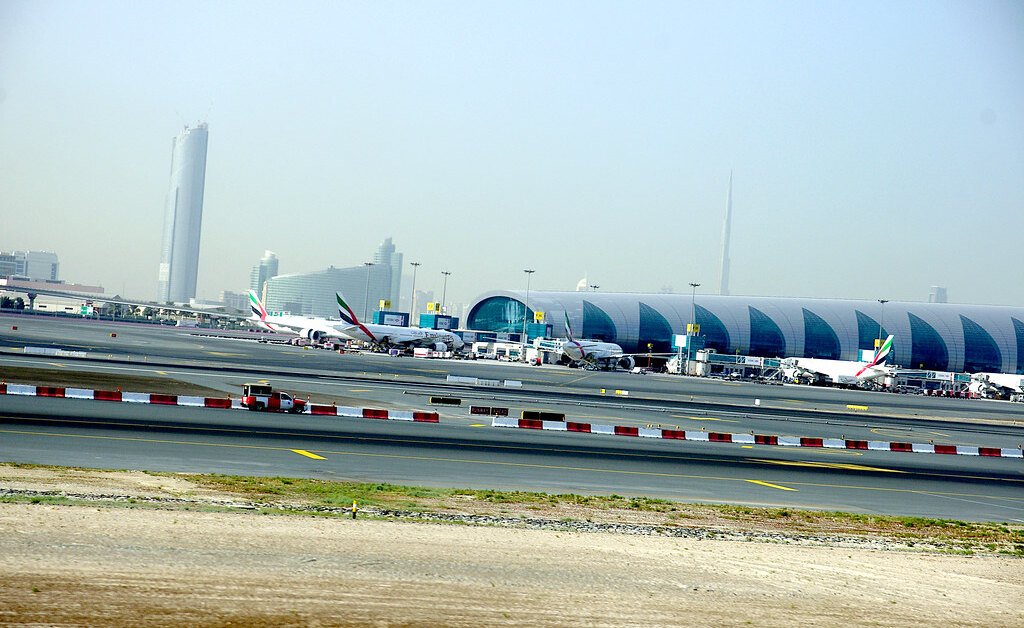
Claim assessment record
- Entity
- Dublin Airport
- IATA
- DUB
- Country
- Ireland
- City
- Dublin
- Regime marker
- eu
- Catalogued
- 2026-07-19
This Dublin Airport guide converts airport evidence into a structured route-and-carrier claim assessment. A complete claim separates route coverage, notice, cause, expenses and fixed compensation instead of presenting one unexplained demand.
Verify live details for Dublin Airport
Terminals, handlers, airlines and routes at Dublin Airport can change. This record uses the catalogue location Dublin, Ireland, regime marker eu and code DUB; it is not a live flight-status or terminal service. Confirm the current operating carrier and official contact channel before sending personal data. No compensation or reimbursement outcome is guaranteed.
Turn the Dublin Airport record into a claim chronology
The claim should explain why evidence from DUB matters. Label the board screenshot, gate message, hotel receipt and replacement itinerary, then connect each item to the timeline. This prevents location evidence from being mistaken for proof of carrier fault or legal coverage by itself.
Compare the replacement offered at Dublin Airport
Ask for the earliest reasonable route to the final booked destination, not merely the next flight from DUB to the same airport. Compare terminal changes, ground transfers and connection protection. If the passenger accepts reimbursement instead, record which sectors are unused and whether the journey has lost its purpose.
Hotel and transport around DUB
Even where compensation is uncertain, assistance can be relevant during a long wait at Dublin Airport. Request care first and document any refusal. When paying personally, preserve the receipt and choose a reasonable substitute rather than assuming that every cost incurred in Dublin will be reimbursed.
Do not send an airline remedy request to Dublin Airport by mistake
A handling desk at DUB may act for an airline without becoming the legal operator. Ask which carrier controls the booking decision and where receipts should be submitted. Airport closure, security measures, air-traffic control or weather can affect the cause analysis, but the passenger should still request travel assistance from the operating airline.
Record the disruption while still at DUB
At DUB, preserve the airline app message, gate display, boarding status and written reason where available. Add receipts for necessary food, hotel or transport and record whether the airline offered an alternative. The aim is to capture transient operational facts before they disappear from screens and notifications.
One booking through DUB
Use Dublin Airport as the middle point in the chronology, not automatically as the place where the legal delay is measured. Preserve boarding passes for every sector and the replacement itinerary. This allows a reviewer to see whether the disruption at DUB affected a single through-journey or two unrelated bookings.
Arriving at DUB
For a journey arriving at Dublin Airport, record the origin and operating carrier. An inbound EU/EEA assessment can depend on whether the operator has EU/EEA status, unless the journey was already covered from its departure point. Use the full itinerary and one-booking connection structure.
When Dublin Airport is the first airport on the ticket
A journey departing from Dublin Airport is catalogued within the EU/EEA departure framework. Confirm the operating carrier and full booking, but carrier nationality is not normally the first barrier for an EU/EEA departure. Keep immediate care and travel remedies separate from the cause-based compensation assessment.
Identify the journey at Dublin Airport
Dublin Airport uses IATA code DUB and serves Dublin, Ireland. The catalogue marks the airport regime as eu. That location marker helps organise the route test, but it does not replace the full itinerary, travel direction or operating-carrier identity. Record whether DUB was the original departure, final arrival or a connection point.
Verification and legal limitation
This page is general passenger-rights information, not legal advice, live flight data or a promise of payment. The structured record for Dublin Airport was last catalogued on 2026-07-19. Verify the current itinerary, operating carrier, official channel, law and procedural deadline before acting.
Care, reimbursement, rerouting, expenses and fixed compensation are separate questions. Eligibility and outcome depend on the complete facts and are not guaranteed.